

Creating Stable and Attractive Outdoor Spaces
Sloped landscapes can present a unique challenge when it comes to design and usability. Retaining walls offer an excellent solution, both for aesthetic purposes and functionality. They help manage soil erosion and provide more usable space on uneven terrain. Whether you are looking to improve the visual appeal of your backyard or increase its functional area, understanding how to effectively design retaining walls will be crucial.
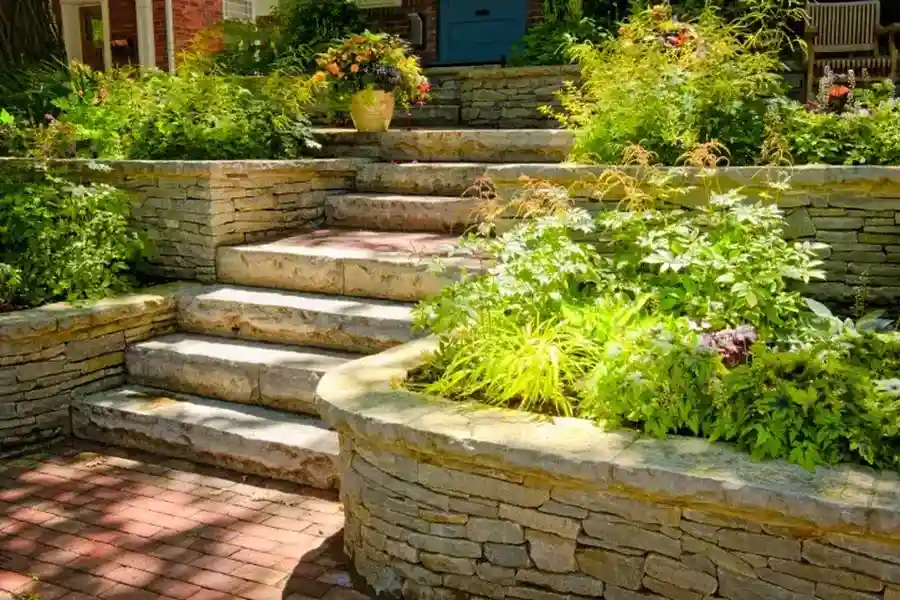
The Benefits of Using Retaining Walls
Retaining walls serve several benefits that make them an ideal choice for sloped landscapes. First, they prevent soil from eroding away, which can safeguard your property. Additionally, these structures create more flat areas, making gardening or recreational activities possible on land that would otherwise be unsuitable. By incorporating different materials such as stone or wood, you can also enhance the visual appeal of your outdoor space.
Common Challenges With Building Retaining Walls
When planning a retaining wall installation, one must consider several challenges. The first is ensuring proper drainage to avoid water buildup behind the wall, which could lead to failure. The second challenge involves selecting the right materials and design to ensure structural integrity. Finally, navigating local regulations and permits can be time-consuming but is necessary for legal compliance.
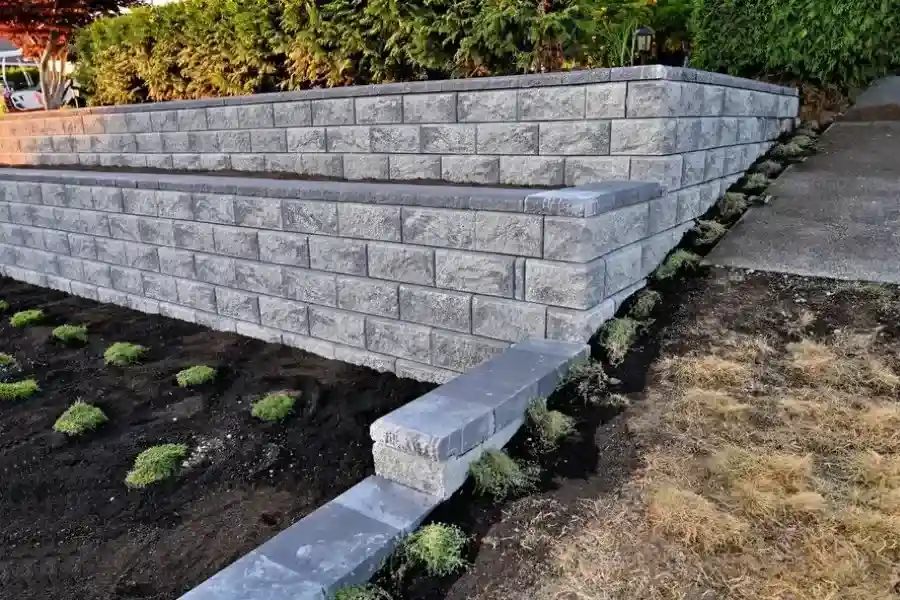
Solutions for Effective Retaining Wall Installation
An effective retaining wall installation begins with thorough site evaluation. Assessing the slope’s stability helps determine the best materials and construction methods. Proper drainage systems should be integrated to channel water away from the structure. Consulting with professionals can streamline the process by providing expertise and guidance on local building codes.
Best Practices for Designing Retaining Walls
- Choose materials that match your landscape’s aesthetics and needs
- Incorporate drainage solutions like gravel backfill or weep holes
- Plan for easy access in case future maintenance is required
- Consider terracing if the slope is too steep for a single wall
- Work with experts to ensure safety and durability
Understanding Industry Standards
Retaining walls must adhere to specific standards to ensure safety and effectiveness. In many locales, walls over a certain height require engineering certification. You should consult local building codes before beginning any project. Following these guidelines not only ensures compliance but also contributes to the wall’s longevity and performance.
Cost Considerations in Retaining Wall Projects
The cost of building a retaining wall varies significantly based on factors like materials used, wall height, and complexity of the design. While natural stone may offer unmatched beauty, it tends to be more expensive than concrete blocks or timber. It’s essential to balance aesthetics, function, and budget while calculating potential return on investment through increased property value.
Your Guide to Successful Landscape Design
By adopting these tips and practices, you can transform sloped spaces into beautiful, usable areas. If you’re considering such an upgrade, our team at Rubio Masonry & Landscaping can assist you every step of the way. We specialize in delivering high-quality services tailored to fit any budget across Dallas, TX. Contact us at (469) 774-3088 to start planning your dream landscape today.