

A Step-by-Step Guide to Secure Your Property
Deciding to add a new fence to your property is an important step toward enhancing security and privacy. However, understanding how this process works can be daunting. This guide aims to demystify the steps involved in bringing your vision of a secure yard or garden to life. From selecting suitable materials to navigating local regulations, we’ll cover all you need to know about ensuring a successful fencing project.
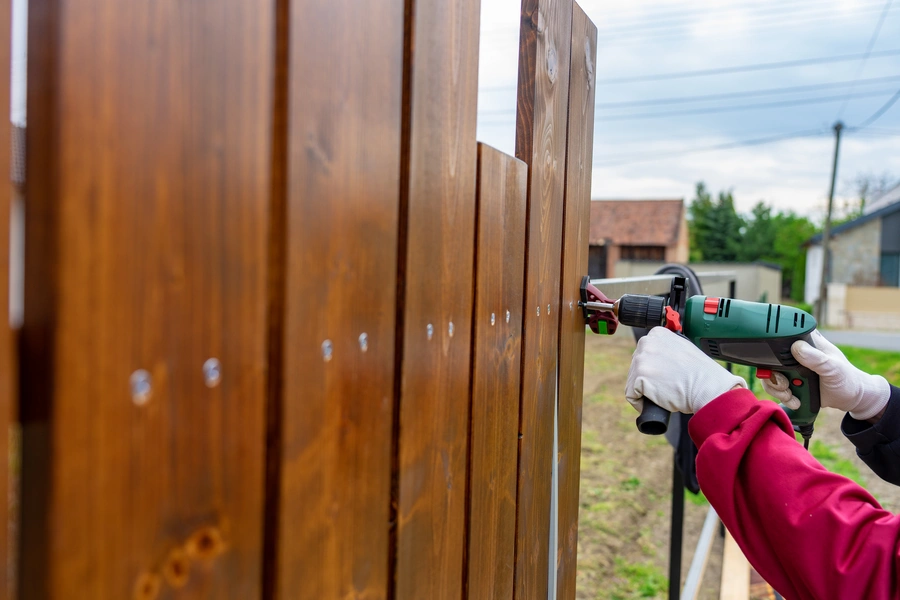
Selecting the Right Materials for Your Fence
The first step towards effective fence installation involves choosing the right materials. Different materials offer various benefits, and your choice should align with your needs. Wood is popular for its natural look, while vinyl offers durability with less maintenance. Metal fences like aluminum provide strength and modern aesthetics. Weigh the pros and cons of each material carefully to make an informed decision that fits your budget and style preferences.
The Importance of Site Preparation
Proper site preparation is crucial in the fence installation process. It ensures longevity and stability for your fence. Start by marking out your property lines clearly to avoid disputes with neighbors. Clear away any obstacles like rocks or vegetation from the intended area. Also, check for underground utilities before digging post holes to prevent disruptions. Thorough preparation will save you time and trouble later on.

Understanding Local Regulations and Permits
Before proceeding with fence installation, familiarize yourself with local zoning laws and permit requirements. Each municipality has specific guidelines governing fence height, design, and placement. Failing to adhere could lead to costly penalties or needing to redo work. Visit your city’s planning office or website to gather accurate information and ensure compliance from the start.
Construction Steps for Installing Your Fence
Once you have your materials and approvals in order, it’s time to begin construction. Follow these key steps for a smooth installation:
- Measure and mark post locations using stakes and string.
- Dig post holes at appropriate depths, considering soil type and frost lines.
- Set posts in concrete for added stability and allow them to cure properly.
- Attach rails between posts once they are firmly set.
- Install fence panels or boards as per design specifications.
- Check alignment throughout the process and make adjustments if necessary.
Addressing Common Challenges During Installation
Several challenges can arise during fence installation. Uneven terrain might require custom solutions like stepped designs or retaining walls. Soil conditions such as rocky ground can complicate post setting. Weather delays might also affect timelines. Anticipate these issues beforehand and plan accordingly to minimize impact on your project’s completion.
Maintaining Your Newly Installed Fence
After successfully installing your fence, regular maintenance is essential for longevity. For wood fences, apply sealant regularly to protect against moisture. Vinyl fences require occasional washing with soap and water to remove dirt buildup. Inspect metal fences for signs of rust and address promptly. Consistent upkeep will ensure your fence remains attractive and functional over time.
Final Thoughts on Securing Your Yard
A well-installed fence provides safety, privacy, and aesthetic appeal to any property. By following this guide, you can navigate the process confidently and enjoy peace of mind knowing your home is secure. If you require professional assistance or more information, contact Rubio Masonry & Landscaping today. Our experts are based in Dallas, TX and are ready to help you achieve the best results for your fencing needs. Call us at (469) 774-3088 for personalized advice tailored to your specific situation.